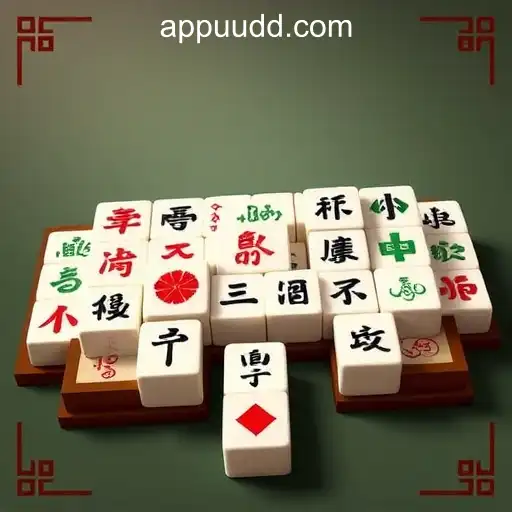
The Timeless Game of Mahjong: A Comprehensive Exploration
Introduction to Mahjong
Originating in China, Mahjong is a classic game that has captured the interest of players worldwide. Known for its intricate rules and deep-rooted cultural significance, it continues to be a beloved pastime. The charm of Mahjong lies in its ability to blend skill, strategy, and luck, offering players a unique gaming experience.
The Historical Roots of Mahjong
Legend has it that Mahjong was created as a recreational activity in the mid-19th century during the Qing dynasty. The game rapidly evolved and spread across Asia, with each region developing its unique set of rules and styles. Its rich history is a testament to the cultural exchanges and evolutions that have shaped it over centuries.
Modern Adaptations
In today's digital age, platforms like UUDD.COM Oficial Slots Brasil have reimagined Mahjong for the online world. These platforms offer a modern twist while preserving the traditional essence, allowing players to experience the game in innovative ways.
Understanding the Gameplay
Mahjong is typically played with a set of 144 tiles based on Chinese characters and symbols, although variations exist. Players aim to build legal combinations, known as melds, and complete a winning hand, known as a Mahjong.
Basic Rules and Setup
The game is usually played with four players, resembling card games such as Rummy, but with a more complex scoring system. Each player starts with a hand of 13 tiles and picks and discards tiles in turns, striving to be the first to achieve a complete hand of 14 tiles.
The Tiles
Mahjong tiles are divided into several categories: suits (bamboo, characters, and circles), honors (winds and dragons), and bonus tiles. Each category plays a crucial role in forming melds or completing special hands.
Strategies and Skills
While luck plays a part in Mahjong, strategy is a significant aspect that differentiates casual players from masters. Players must make critical decisions regarding which tiles to keep, discard, or call, requiring sharp analytical skills and memory.
Popular Strategies
Common strategies include paying attention to opponents' discards and calls, quickly identifying potential winning hands, and effectively managing risk and reward. Experienced players often rely on well-practiced strategies to outmaneuver their opponents.
The Role of Practice
The complexity of Mahjong demands practice. Frequent play not only improves understanding of the rules and strategies but also enhances reaction time and decision-making skills under pressure.
Cultural Significance
Mahjong is more than just a game; it is a cultural phenomenon that brings people together across generations. In many Asian countries, it is a staple during holidays and family gatherings, fostering social bonds and communal celebrations.
Symbolism and Traditions
The game also carries symbolic meanings, often associated with luck, prosperity, and harmony. Traditional rituals, superstitions, and etiquette associated with Mahjong further enrich its cultural tapestry.
The Global Appeal of Mahjong
Today, Mahjong is a global game with enthusiasts found in almost every corner of the world. The rise of online platforms has further expanded its reach, making it accessible to a broader audience.
Online Adaptations
Digital adaptations such as UUDD.COM Oficial Slots Brasil have brought Mahjong into the online gaming sphere, offering exciting variations and competitive play. These platforms often feature leaderboards, tournaments, and community events that connect players globally.
Future Prospects
The future of Mahjong appears bright, with continued interest fueling its evolution. As technology advances, so too will the opportunities to experience this age-old game in new and dynamic forms. Whether enjoyed in traditional settings or through platforms like UUDD.COM Oficial Slots Brasil, Mahjong remains an enduring and captivating game for both old and new generations alike.